Judaism developed within the history of ancient Israel and Judah and is centred on belief in one God, sacred teaching and the life of a religious community. Its early history is known through the Hebrew Bible, archaeology and texts produced by neighbouring peoples. These sources illuminate different questions: religious narratives explain beliefs and identity, while inscriptions and material remains help reconstruct political and social developments.
Biblical traditions and historical inquiry
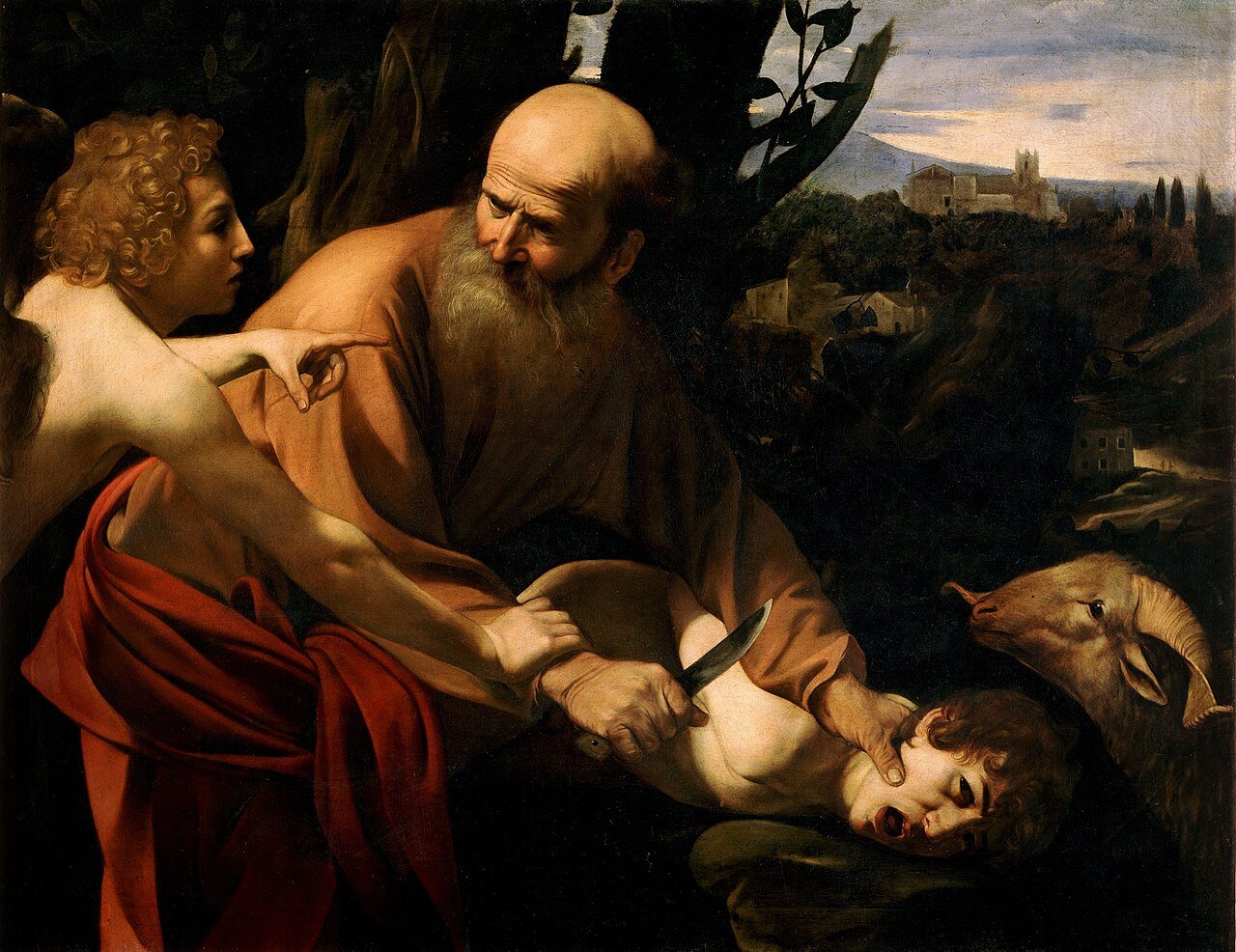
The book of Genesis describes Abraham’s journey to Canaan and a covenant, or special relationship, between God and his descendants. Stories of Isaac, Jacob and the twelve tribes connect family history with the origins of a people. The Exodus narrative presents Moses as the leader who brings the Israelites out of Egypt and receives divine teaching, including the Ten Commandments.
These traditions are central to Jewish religious memory. Their theological meaning should be distinguished from what can be independently established about particular events. The absence of direct confirmation for an episode does not make the text useless: it remains evidence of the community that composed, transmitted and interpreted it. Historians examine dates of composition, literary purposes and relationships with other sources.
Israel, Judah and their neighbours
The Egyptian Merneptah inscription, around 1208 BCE, contains an early reference to Israel. During the first millennium BCE, the kingdoms of Israel, with its capital at Samaria, and Judah, centred on Jerusalem, developed among larger regional powers. Their rulers, institutions and relations with Assyria are better documented than many earlier traditions.
The Bible describes a united kingdom under Saul, David and Solomon, followed by division. The extent and organisation of the earlier kingdom are debated. The ninth-century BCE Tel Dan inscription is generally understood to refer to the “House of David”, providing evidence of a dynastic tradition without confirming every biblical account. Religious practice also changed over time: exclusive worship and monotheistic teaching developed within a complex regional setting.
Jerusalem and the Temple
Biblical tradition attributes Jerusalem’s first Temple to Solomon. It became central to worship and to claims that sacrifices should be concentrated in one sanctuary. The reforms associated with King Josiah in the late seventh century BCE form part of this history of religious centralisation. Traditions about the Ark of the Covenant connected the sanctuary with divine teaching and the relationship between God and the people.
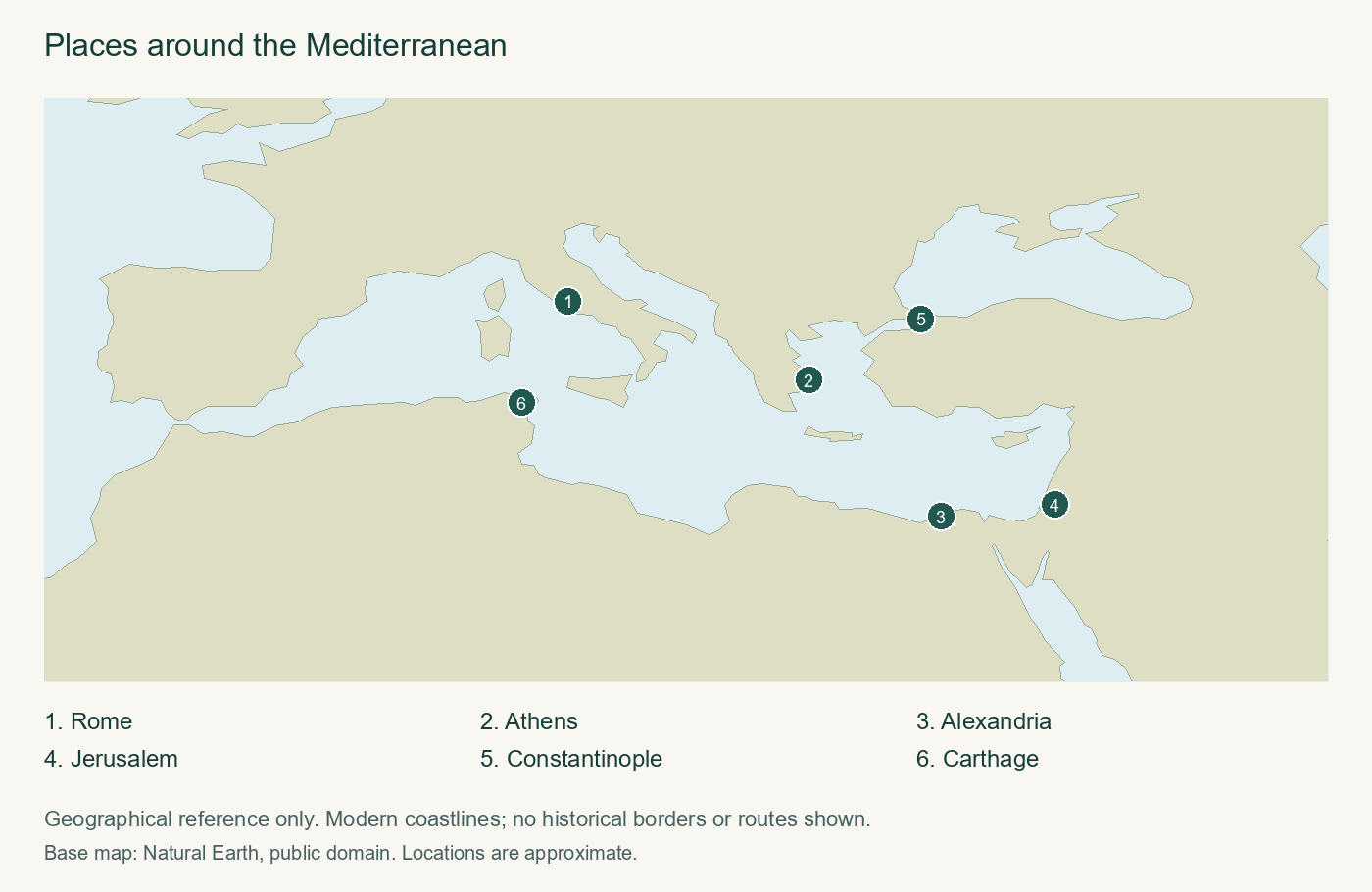
Jerusalem later acquired major significance for Christianity and Islam as well as Judaism. The Western Wall is part of the retaining structure supporting the Temple platform enlarged under Herod; it is not simply a surviving wall of Solomon’s Temple. Distinguishing buildings and periods prevents different phases of Jerusalem’s history from being merged into one.
Conquest, exile and return
Assyria conquered the northern kingdom in the late eighth century BCE, conventionally associated with the fall of Samaria in 722. Its campaigns against Judah included the siege of Lachish in 701. Babylon later replaced Assyria as a dominant power. The capture of Jerusalem and destruction of the first Temple in 587/586 BCE were followed by deportations to Babylonia.
Exile encouraged reflection on community, worship and the preservation of traditions outside the homeland. After Cyrus conquered Babylon in 539 BCE, some exiles returned under Persian rule. The Second Temple was completed around 516 BCE. Not everyone returned: communities continued to exist in different regions. The Cyrus Cylinder provides evidence of Persian royal policy and religious claims, but does not specifically name the Jews or independently recount their return.
Hellenistic and Roman rule
Alexander’s conquests brought the region into the Hellenistic world. In the second century BCE, conflict under Antiochus IV and the Maccabean revolt led to the rededication of the Temple in 164 BCE, commemorated by Hanukkah. Roman influence expanded after Pompey entered Jerusalem in 63 BCE.
The revolt beginning in 66 CE ended in the Roman capture of Jerusalem and destruction of the Second Temple in 70. Titus commanded the forces before becoming emperor himself. Resistance continued at Masada until 73 or 74; Josephus’ account of the defenders’ deaths must be distinguished from what archaeology alone establishes. Another major revolt, defeated in 135, brought further upheaval. Jewish diaspora communities already existed before these conflicts and were not created by a single expulsion.
Scripture, worship and community
The Hebrew Bible is a collection produced and transmitted over centuries. Its major divisions are the Torah, the Prophets and the Writings. The Torah contains foundational narratives and teaching; prophetic texts address the community’s relationship with God; the Writings include poetry, wisdom and other literary forms. The Dead Sea Scrolls preserve important ancient witnesses to textual traditions, not a single original copy of the whole Bible.
After the Temple’s destruction, prayer, study and communal institutions became increasingly central, alongside traditions that already existed. Synagogues provided places of assembly and worship, while rabbinic teaching developed ways of interpreting and applying sacred law. Shabbat, dietary practices and life-cycle rites helped structure community life, though practices varied across periods and communities.
Festivals connect religious observance with collective memory. Passover recalls the Exodus, Shavuot is associated with the giving of the Torah, Sukkot with dwelling in temporary shelters, and Yom Kippur with atonement. The seven-branched menorah has ancient Temple associations; the nine-branched Hanukkah lamp serves a different festival purpose. Shared texts and practices allowed Jewish life to continue across many countries without erasing local diversity.
Revision questions
Write an answer before opening the explanation. Your answers stay in this browser.
01 How do historians distinguish religious traditions from independently established evidence?
Read the explanation
These traditions are central to Jewish religious memory. Their theological meaning should be distinguished from what can be independently established about particular events. The absence of direct confirmation for an episode does not make the text useless: it remains evidence of the community that composed, transmitted and interpreted it. Historians examine dates of composition, literary purposes and relationships with other sources.
02 Why was the Temple in Jerusalem important?
Read the explanation
Jerusalem later acquired major significance for Christianity and Islam as well as Judaism. The Western Wall is part of the retaining structure supporting the Temple platform enlarged under Herod; it is not simply a surviving wall of Solomon’s Temple. Distinguishing buildings and periods prevents different phases of Jerusalem’s history from being merged into one.
03 How did conquest, exile and return affect Jewish history?
Read the explanation
Exile encouraged reflection on community, worship and the preservation of traditions outside the homeland. After Cyrus conquered Babylon in 539 BCE, some exiles returned under Persian rule. The Second Temple was completed around 516 BCE. Not everyone returned: communities continued to exist in different regions. The Cyrus Cylinder provides evidence of Persian royal policy and religious claims, but does not specifically name the Jews or independently recount their return.
04 How did scripture and religious practices help sustain Jewish communities?
Read the explanation
After the Temple’s destruction, prayer, study and communal institutions became increasingly central, alongside traditions that already existed. Synagogues provided places of assembly and worship, while rabbinic teaching developed ways of interpreting and applying sacred law. Shabbat, dietary practices and life-cycle rites helped structure community life, though practices varied across periods and communities.
Festivals connect religious observance with collective memory. Passover recalls the Exodus, Shavuot is associated with the giving of the Torah, Sukkot with dwelling in temporary shelters, and Yom Kippur with atonement. The seven-branched menorah has ancient Temple associations; the nine-branched Hanukkah lamp serves a different festival purpose. Shared texts and practices allowed Jewish life to continue across many countries without erasing local diversity.