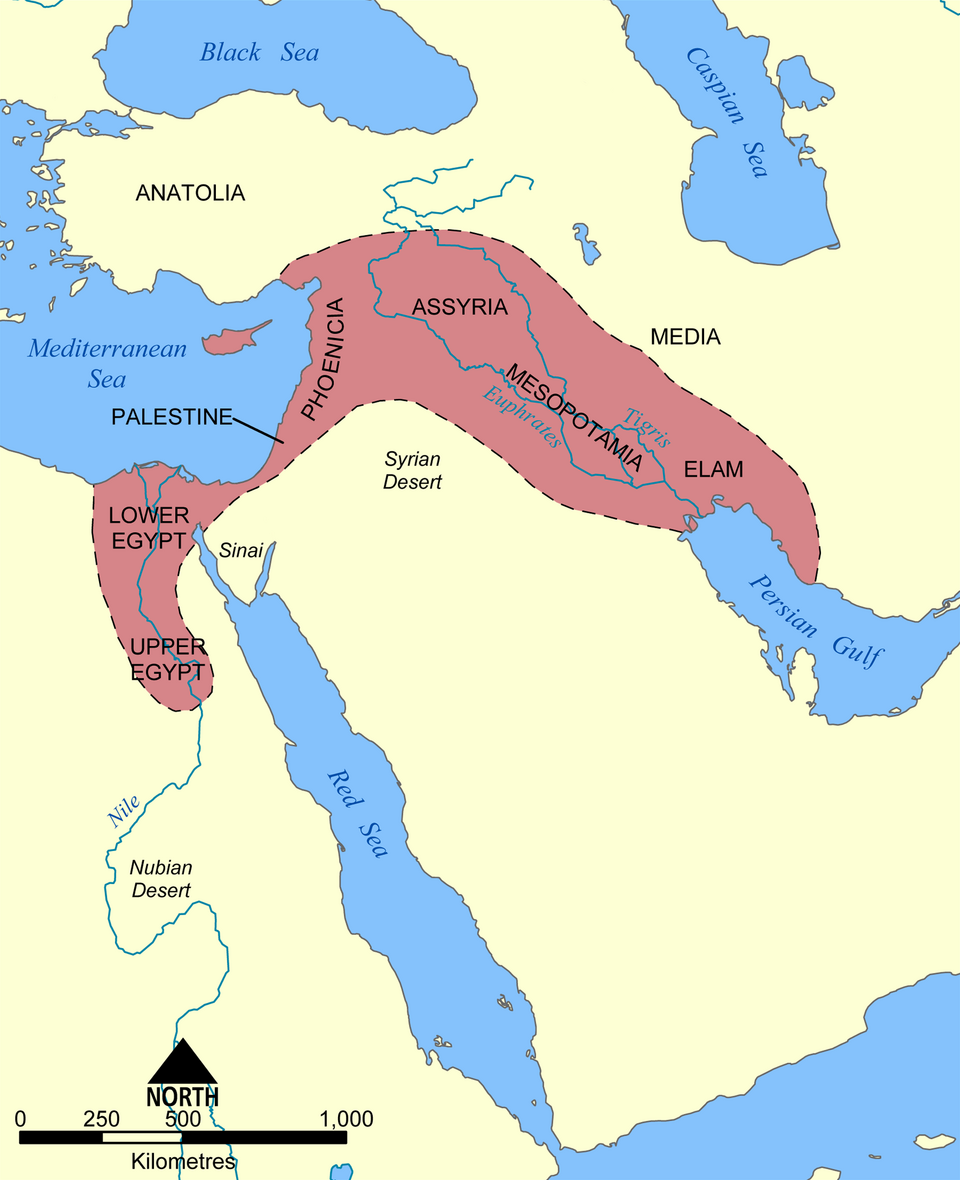
Writing is a system of signs used to represent language and preserve information. Its development transformed administration, communication and the transmission of knowledge. The earliest writing traditions did not arise everywhere at once or develop through one universal sequence. Mesopotamia and Egypt provide important examples of how writing became connected with economic management, religious practice and political authority.
From counting goods to recording language
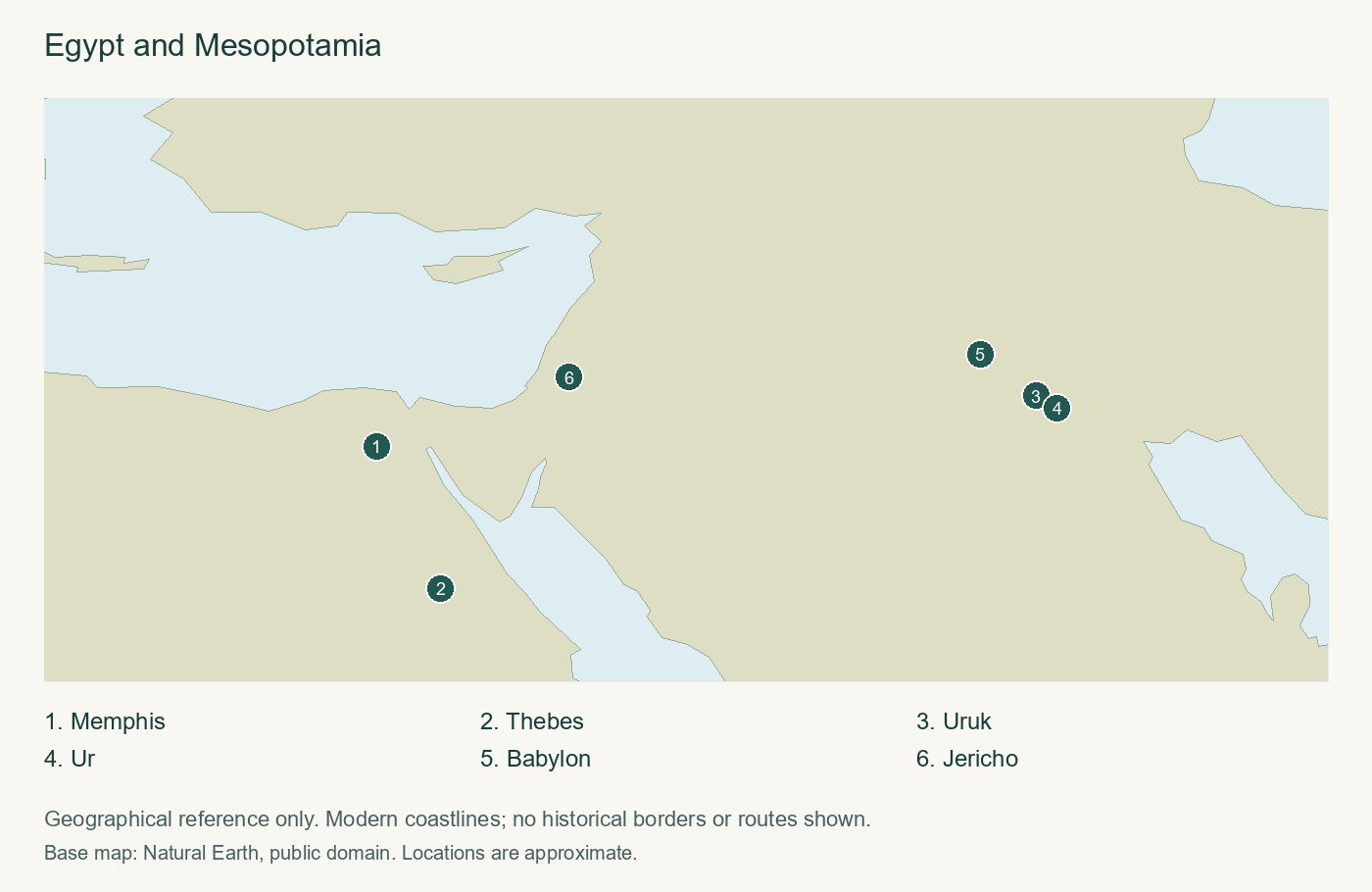
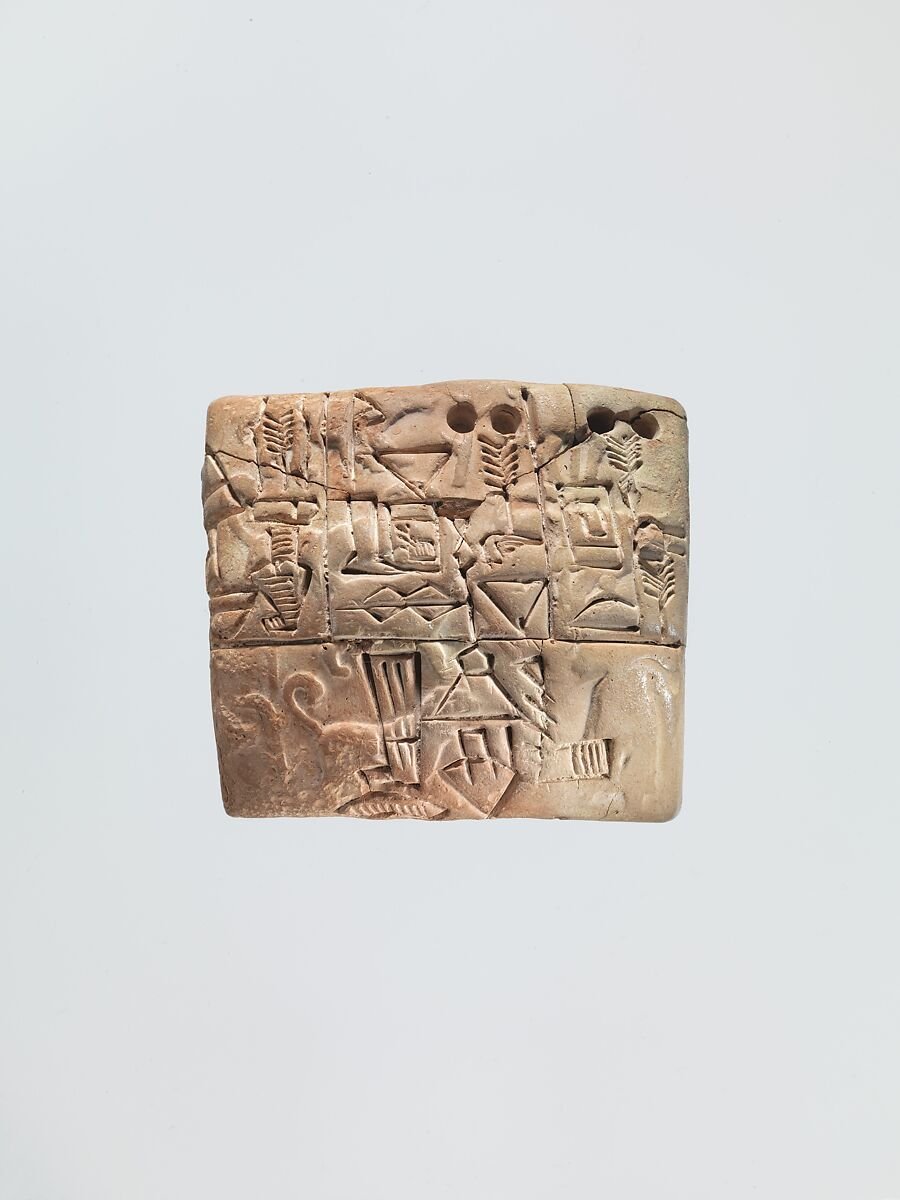
In southern Mesopotamia, growing settlements and institutions needed to manage grain, animals, labour and exchanges. Late fourth-millennium BCE tablets from places such as Uruk contain numerical and pictorial signs associated with administration. A written record made it possible to preserve information about a transaction when the people involved were no longer present.
Early pictograms resembled the objects they represented, but writing became more than a collection of drawings. Signs could express sounds and relationships within language. This allowed increasingly varied subjects to be recorded. The distinction matters because an image can communicate an idea without necessarily representing a spoken language.
Cuneiform and the materials of writing
Mesopotamian scribes worked mainly on clay tablets. A reed stylus pressed into damp clay produced wedge-shaped impressions, giving cuneiform its name from a word meaning “wedge”. Over time, signs became more abstract and were adapted to different languages. Cuneiform was a family of writing practices, not simply an alphabet invented at one moment.
Clay was practical for accounts and could survive for millennia when preserved or fired. Other writing materials included stone, wood and papyrus. Materials affected the form, cost and survival of texts: durable royal inscriptions are more likely to survive than an everyday message written on a perishable surface.
Egyptian scripts and the work of scribes
Egyptian hieroglyphs combined signs representing sounds with signs contributing meaning. Their pictorial appearance does not mean that every sign represented only the object it resembled. Hieroglyphs were especially visible on monuments and religious objects. Hieratic, a more flowing script, was used for many texts written with ink, while demotic developed later for administrative and other purposes.
Learning to write required training. Scribes kept accounts, recorded harvests and taxation, copied texts and transmitted orders. Their expertise gave them an important place in administration, although literacy was not restricted to one perfectly uniform social group. Writing supported government because it connected local activities with larger institutions.
Alphabets and the movement of ideas
Phoenician communities on the eastern Mediterranean coast used an alphabet with twenty-two consonantal signs. Its relatively small sign inventory differed from systems requiring large numbers of signs. Trade and maritime connections helped alphabetic practices circulate. Greek writers adapted this tradition and represented vowels explicitly; the Latin alphabet developed through later Mediterranean contacts.
This history was gradual and involved borrowing and adaptation. An alphabet did not immediately make everyone literate, nor did it cause other scripts to disappear. Access to education, the uses of writing and the organisation of society remained important influences on who could read and write.
Royal memory, stories and laws
Writing allowed rulers to preserve names, genealogies and accounts of achievements. Mesopotamian king lists connected political authority with a long past, sometimes including legendary reigns lasting thousands of years. Such texts tell historians how power was justified, but their claims cannot always be read literally.
The Epic of Gilgamesh combines traditions about a king of Uruk with encounters involving gods and extraordinary beings. The friendship of Gilgamesh and Enkidu, Enkidu’s death and Gilgamesh’s search for immortality explore kingship, loss and human limits. The surviving literary tradition developed over a long period; it is not a straightforward biography of a securely documented individual.
The collection of laws associated with Hammurabi, king of Babylon in the eighteenth century BCE, illustrates another use of writing. Its carved monument presents legal judgements alongside an image of royal authority. Written laws, diplomatic letters, contracts and prayers made writing part of government and social relationships, not merely a means of storytelling.
Writing as historical evidence
Egyptian funerary texts, including versions of the Book of the Dead, sought to assist the deceased in the afterlife. Administrative tablets preserve different concerns: deliveries, debts and work. Comparing these genres shows why the purpose and audience of a text matter when interpreting it.
Writing gives historians access to names, arguments and decisions that objects alone may not reveal. Nevertheless, written sources can exaggerate, omit information or express the interests of powerful groups. Archaeology remains essential both before and after the appearance of writing. The conventional distinction between prehistory and recorded history is useful, but it does not mean that societies without written records had no history.
Revision questions
Write an answer before opening the explanation. Your answers stay in this browser.
01 How did the recording of goods contribute to the development of writing?
Read the explanation
Early pictograms resembled the objects they represented, but writing became more than a collection of drawings. Signs could express sounds and relationships within language. This allowed increasingly varied subjects to be recorded. The distinction matters because an image can communicate an idea without necessarily representing a spoken language.
02 What is cuneiform, and how did its writing materials shape it?
Read the explanation
Clay was practical for accounts and could survive for millennia when preserved or fired. Other writing materials included stone, wood and papyrus. Materials affected the form, cost and survival of texts: durable royal inscriptions are more likely to survive than an everyday message written on a perishable surface.
03 How did Egyptian scripts and scribes serve different purposes?
Read the explanation
Learning to write required training. Scribes kept accounts, recorded harvests and taxation, copied texts and transmitted orders. Their expertise gave them an important place in administration, although literacy was not restricted to one perfectly uniform social group. Writing supported government because it connected local activities with larger institutions.
04 Why must historians examine the purpose and survival of written sources?
Read the explanation
Writing gives historians access to names, arguments and decisions that objects alone may not reveal. Nevertheless, written sources can exaggerate, omit information or express the interests of powerful groups. Archaeology remains essential both before and after the appearance of writing. The conventional distinction between prehistory and recorded history is useful, but it does not mean that societies without written records had no history.