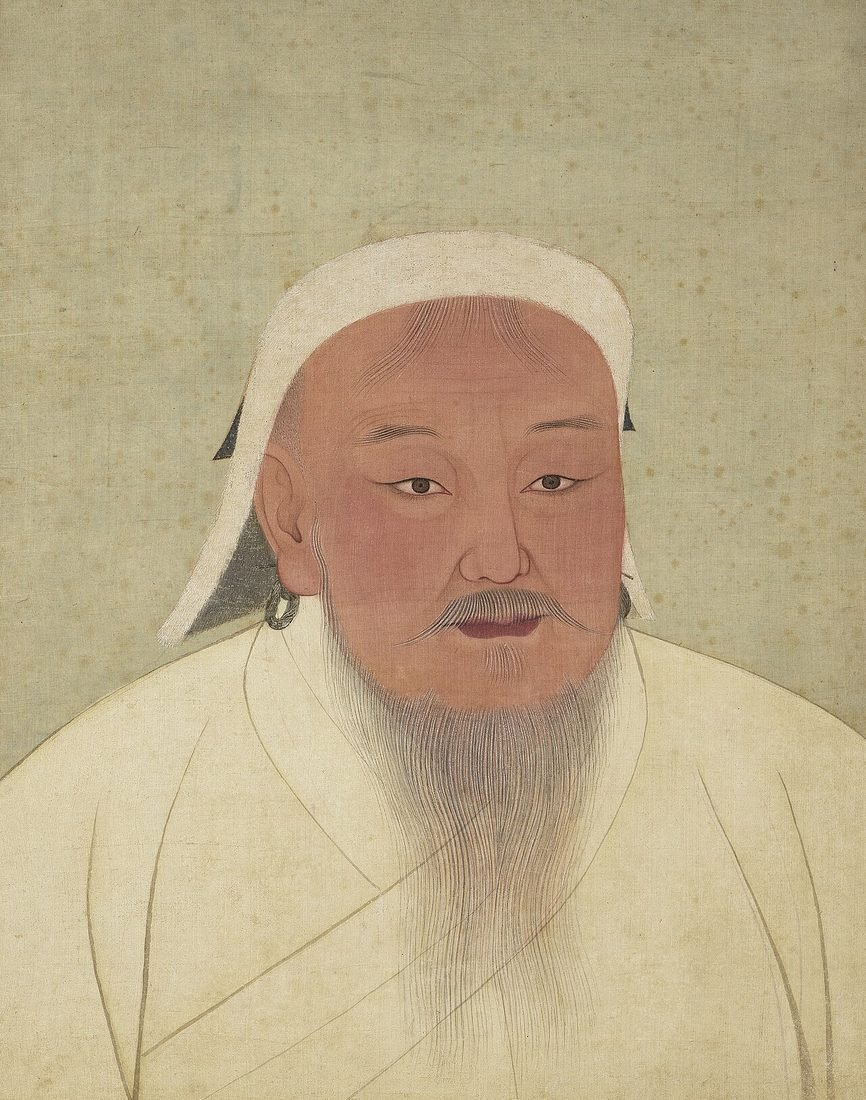
Key question. How did a small herding people from Mongolia build the largest land empire in history?
In this lesson
- How pastoral societies lived, and how they differed from farming civilisations.
- How herding peoples such as the Xiongnu, Arabs and Turks shaped world history before the Mongols.
- How Temujin became Chinggis Khan and united the Mongols.
- How far the Mongol conquests reached, and where they failed.
- Why the Mongols were so successful.
In the spring of 1206, on the banks of the Onon River in Mongolia, the leaders of dozens of clans gathered around a white banner hung with nine horse tails. They had come to proclaim a new ruler, a man who as a boy had been abandoned by his own clan and had survived by eating roots and fish. Within twenty years his armies would reach the Caspian Sea, and within fifty years his grandsons would rule from Korea to Hungary. His name was Temujin, but the world remembers him by his title: Chinggis Khan.