Byzantium, Eastern Christendom and Charlemagne

23 min · 4 revision questions

Key question. How did the Christian world change between 600 and 1450, and how did Byzantium and the West each build on the Roman past?

In this lesson

  • Why Christianity shrank in Asia and Africa, and where it survived.
  • How the Byzantine Empire continued the Roman Empire in the east.
  • How Eastern Orthodoxy and Roman Catholicism drifted apart.
  • How Byzantium shaped its neighbours, above all Kievan Rus.
  • How Charlemagne tried to revive a Roman empire in the west.

After the end of western Roman imperial government in the fifth century, the Roman inheritance survived in different forms. The eastern empire continued from Constantinople, while new kingdoms developed in the west. In 800, Charlemagne’s coronation created a new western imperial claim. Both Byzantine and Carolingian rulers drew on Rome and Christianity, but their territories, institutions and cultures were distinct.
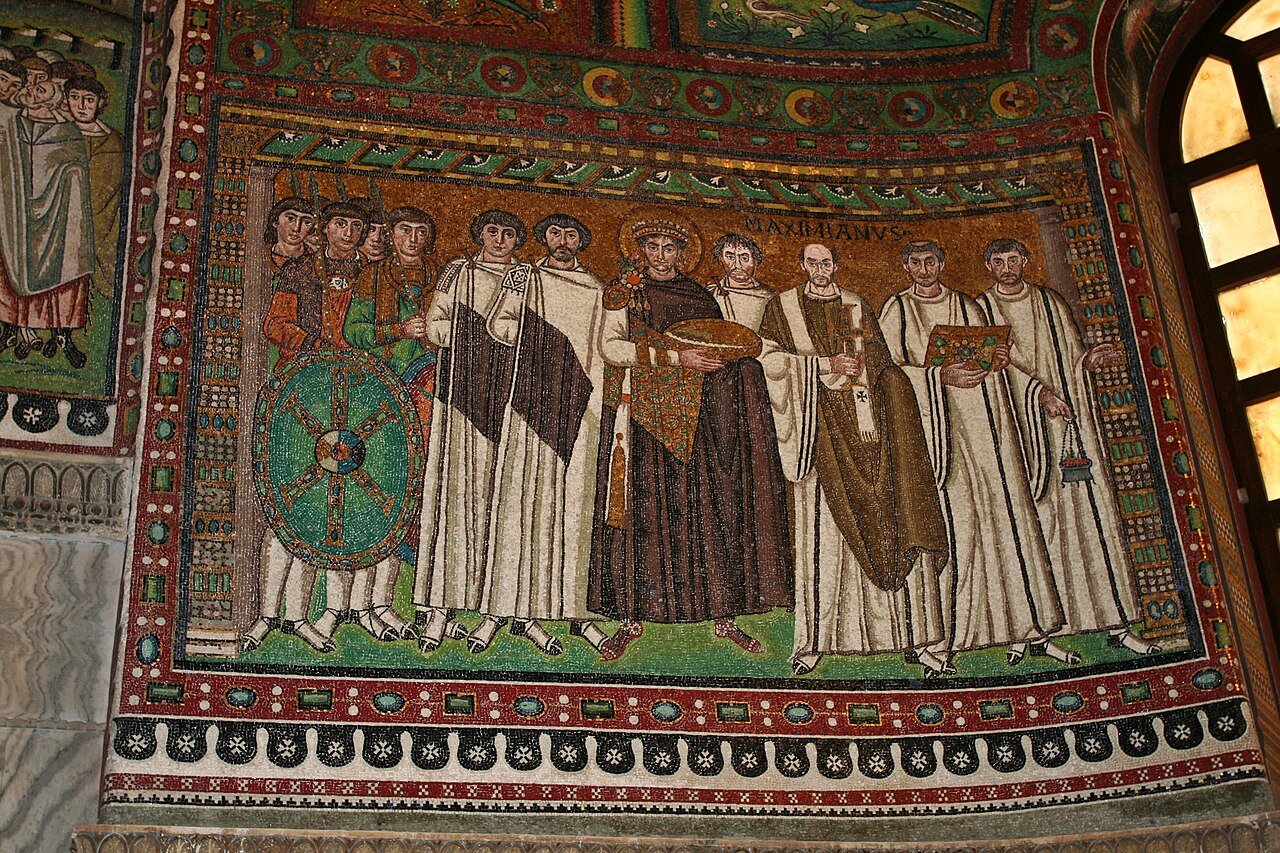
Justinian in the sixth-century mosaic at San Vitale, Ravenna.
Justinian in the sixth-century mosaic at San Vitale, Ravenna.Sharon Mollerus · CC BY 2.0Image source
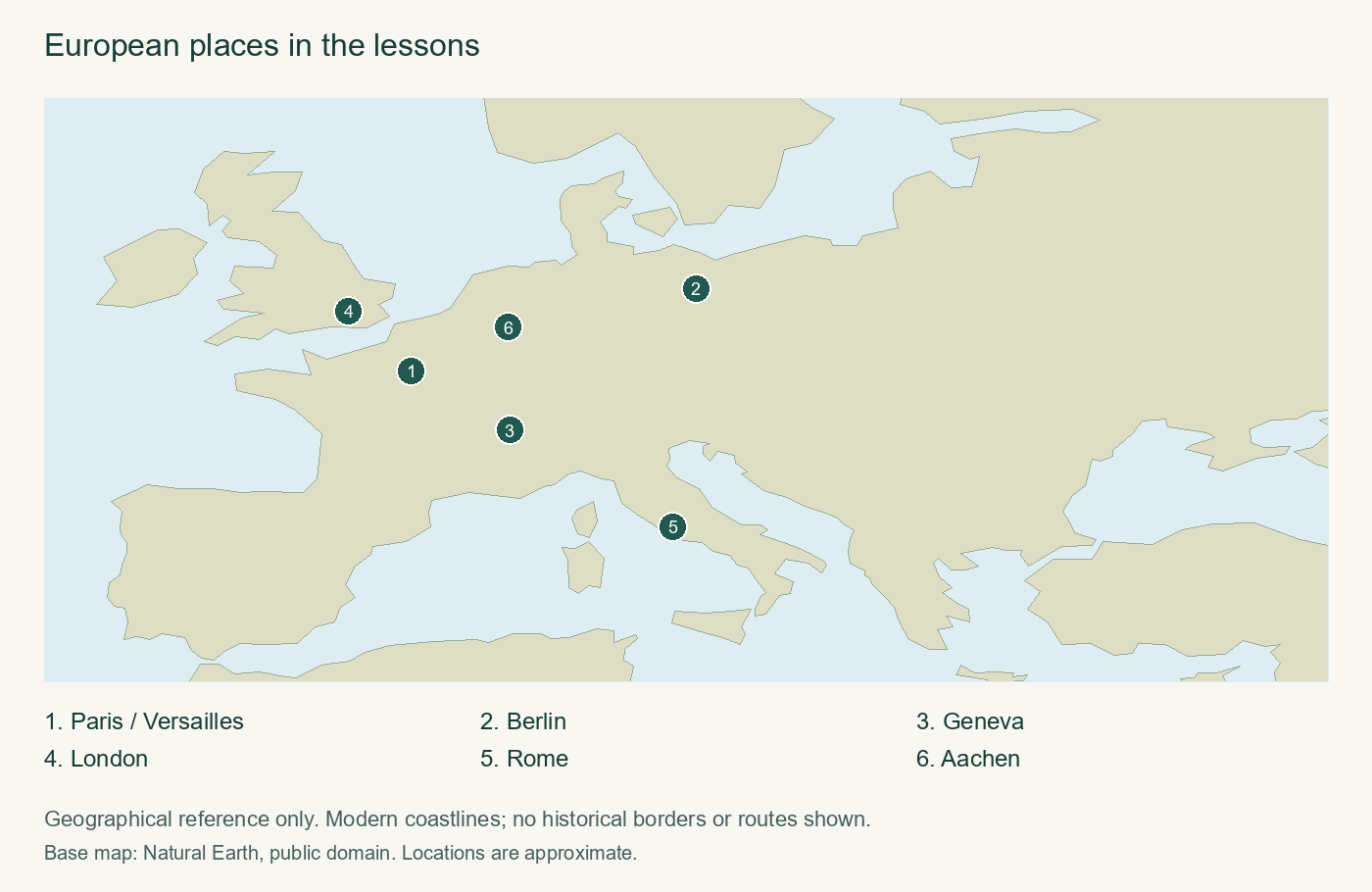
European places in the lessons. The numbered locations provide geographical context; they do not indicate historical borders or trade routes.
European places in the lessons. The numbered locations provide geographical context; they do not indicate historical borders or trade routes.Natural Earth · Public domainImage source

In this lesson

  • Christianity shrinks in Asia and Africa
  • The survival of the eastern Roman Empire
  • Justinian’s imperial ambitions
  • Christianity in the Byzantine world
  • Byzantium and the wider world
  • The conversion of Rus
  • Charlemagne and a western empire
  • Learning, religion and the limits of unity
  • Activities
  • Conclusion
  • Key vocabulary
  • Revision checklist