Key Stage 3 · Year 7 · Chapter 11 · Chemistry. About 50 minutes.
Learning objectives. By the end of this lesson you should be able to name common acids and alkalis and handle them safely; use indicators and the pH scale to test solutions; describe neutralisation, write its word equation and name the salt formed step by step; describe how to compare indigestion tablets fairly; and explain everyday uses of neutralisation.
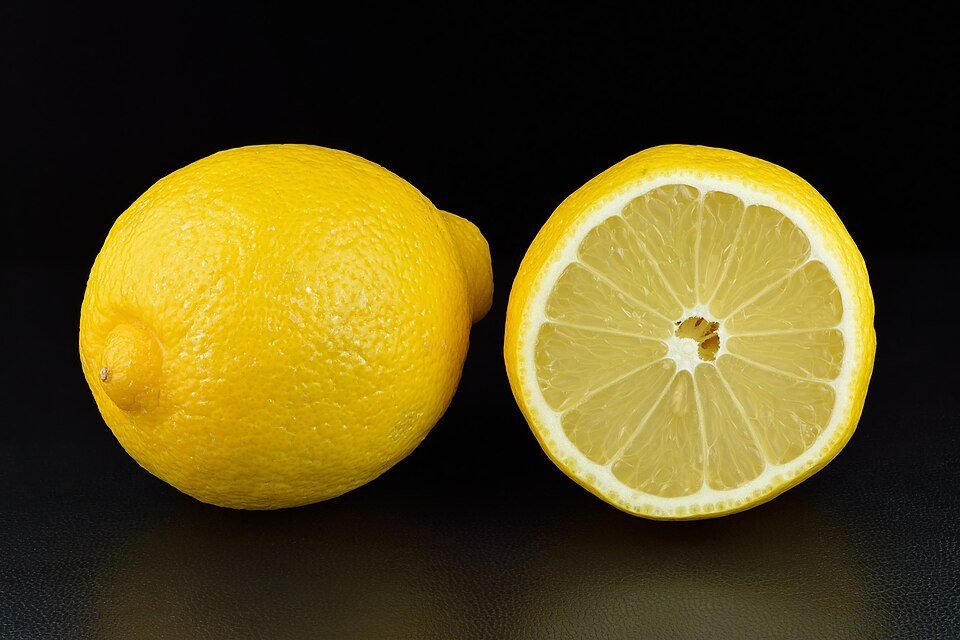
Lemon juice and vinegar taste sour because they are acids; the word "acid" comes from the Latin acidus, meaning sour. Soap feels slippery because it is an alkali. Chemists measure how acidic or alkaline a substance is, and use one to cancel out the other.